
"Mitsubishi Chemical"
7000 article(s) found

Identification of Cat shit Coffee by Chemical Analysis
People who enjoy the most expensive coffee in the world will soon be able to sip coffee without having to worry: researchers have devised a way to tell these people whether the coffee they buy is real or fake.

Water content-Chemical change process of Coffee during roasting
Water content-chemical changes during coffee roasting high-altitude and ripe coffee beans usually last longer and have a longer lifespan. Because of the high density of raw coffee beans, if the dry environment is good, the taste of the coffee itself will not change much. Out-of-season coffee beans are not good, and old coffee is sometimes added to some coffee varieties. To put it simply, non-
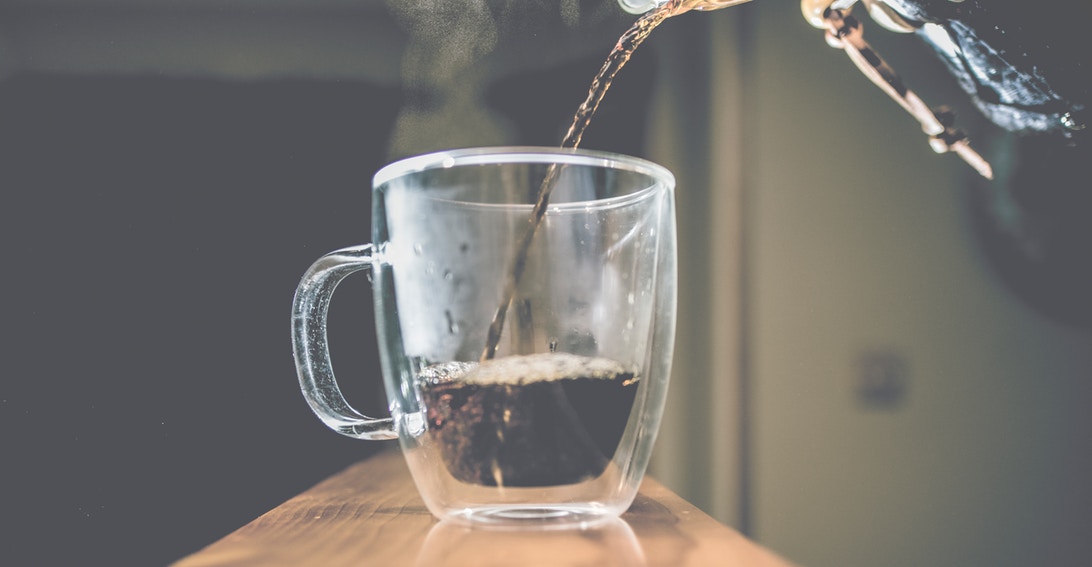
How do you analyze coffee's chemical composition to predict flavor, aroma and quality?
Professional coffee knowledge exchange More coffee bean information Please pay attention to the coffee workshop (Weixin Official Accounts cafe_style) There are many factors that affect the flavor of coffee: variety, roasting degree, brewing formula, processing method, etc., but when you look deeper, you will find that flavor depends on only one thing: the composition of compounds. Coffee roasting method, coffee variety, species

Use chemical knowledge to help you analyze the coffee ingredients of individual coffee products.
Any coffee enthusiast who knows how to drink coffee knows that really high-quality coffee is not too bitter, but for most of us, most of the coffee we drink is bitter. Fortunately, through the principles of chemistry, even laymen without professional training can make coffee of good quality! It's like adding salt to coffee to lighten the bitterness, science can

Coffee training knowledge about the chemical composition of coffee
Caffeine: caffeine is the most eye-catching of all the ingredients in coffee. It belongs to a kind of phytoxanthin (animal muscle component). It has the same properties as theobromine contained in cocoa, green tea contains the same theophylline, and the percentage of reduction after baking is very small. Caffeine has a very wide range of effects. will affect the human brain, heart, blood vessels, gastrointestinal, muscle and kidney and other parts, the right amount of coffee

Chemical composition of coffee caffeine tannin
Caffeine: caffeine is the most eye-catching of all the ingredients in coffee. It belongs to a kind of phytoxanthin (animal muscle component). It has the same properties as theobromine contained in cocoa, green tea contains the same theophylline, and the percentage of reduction after baking is very small. Caffeine has a very wide range of effects. will affect the human brain, heart, blood vessels, gastrointestinal, muscle and kidney and other parts, the right amount of coffee
The chemical composition of coffee
Coffee is a complex mixture of potential "neutriceuticals". The chemical composition of coffee is determined by a number of factors: agriculture, roasting, blending, and brewing. The main elements of coffee have been known for more than half a century.
Basic knowledge of Coffee beans Chemical reaction of Coffee in Baking
Coffee has a rich, wide range of flavors. Coffee produced in different regions, different elevations, different climates and different producing areas has its own unique characteristics. Raw beans are fragrant and have no usual coffee taste at all; the taste of coffee comes from proper roasting. Show fruity (light roasting) or caramel sweetness (deep roasting). The lighter the baking, the more sour it tastes. Baking.
Common sense of roasting of coffee beans Chemical reaction of coffee in roasting
Coffee has a rich, wide range of flavors. Coffee produced in different regions, different elevations, different climates and different producing areas has its own unique characteristics. Raw beans are fragrant and have no usual coffee taste at all; the taste of coffee comes from proper roasting. Show fruity (light roasting) or caramel sweetness (deep roasting). The lighter the baking, the more sour it tastes. Baking.

The basic chemical reaction of coffee knowledge during coffee roasting.
Many thermal and chemical reactions take place during baking: decarbonation, dehydration of quinic acid, subdivision, isomerization, polymerization, and complex sugar reactions (caramelization). The main components of the thermal reaction are monosaccharides and sucrose, chlorogenic acid, free amino acids, and fenugreek amide. Both aravinose and calactose in the polysaccharides are transferred, and the basic vulcanization process includes hydroxylamine.
The basic chemical reaction that takes place during coffee roasting.
Basic chemical reactions that occur during coffee roasting author: Carl Staub originates from the SCAA baking color classification system, developed by Agtron SCAA 1995 original text from: http://www.sweetmarias.com/roast.carlstaub.html translation: Grant, http://www.baristacn.com/forum/thread-1583-1-1.html in the roasting process
Sensory characteristics and main chemical components of coffee with different roasting degree
Professional coffee knowledge exchange more coffee bean information Please follow Coffee Workshop (Wechat official account cafe_style) Coffee is one of the most popular drinks in the world, the most commercially valuable varieties are Arabica and Robst. In this paper, Yunnan Arabica coffee and Indian Robster coffee were selected as the representatives of the two species, and two kinds of coffee with different roasting degrees were studied.
Coffee Basics Coffee bitterness comes from processing
In western countries, people drink a cup of coffee every morning. In order to cover up the bitterness of coffee, some milk powder and granulated sugar are often added. Why is coffee bitter? What seems like a simple question has puzzled scientists for decades. Now, scientists have narrowed their search to two chemical molecules. in the American Chemical
Coffee will produce chemical reactions during roasting. The sour taste and source of coffee.
Coffee beans produce numerous chemical reactions during roasting, which not only change the color of coffee beans, but also create hundreds of flavor and aromatic compounds that no longer exist before. The roasting of coffee beans makes the beans crisp so as to facilitate grinding and enhance the internal permeability of coffee beans. Through the fusion with water, it is more conducive to the extraction of soluble flavor factors in coffee beans.

What does coffee smell like? Why does coffee smell good? Chemical reactions during roasting
Professional coffee knowledge exchange More coffee bean information Please pay attention to coffee workshop (Weixin Official Accounts cafe_style) Qianjie-coffee flavor source introduction Aroma is a very important quality attribute in fine coffee. Changes in aroma components include the loss of some volatiles, but also the formation of others. Although the most appropriate and direct way to measure freshness is inspection
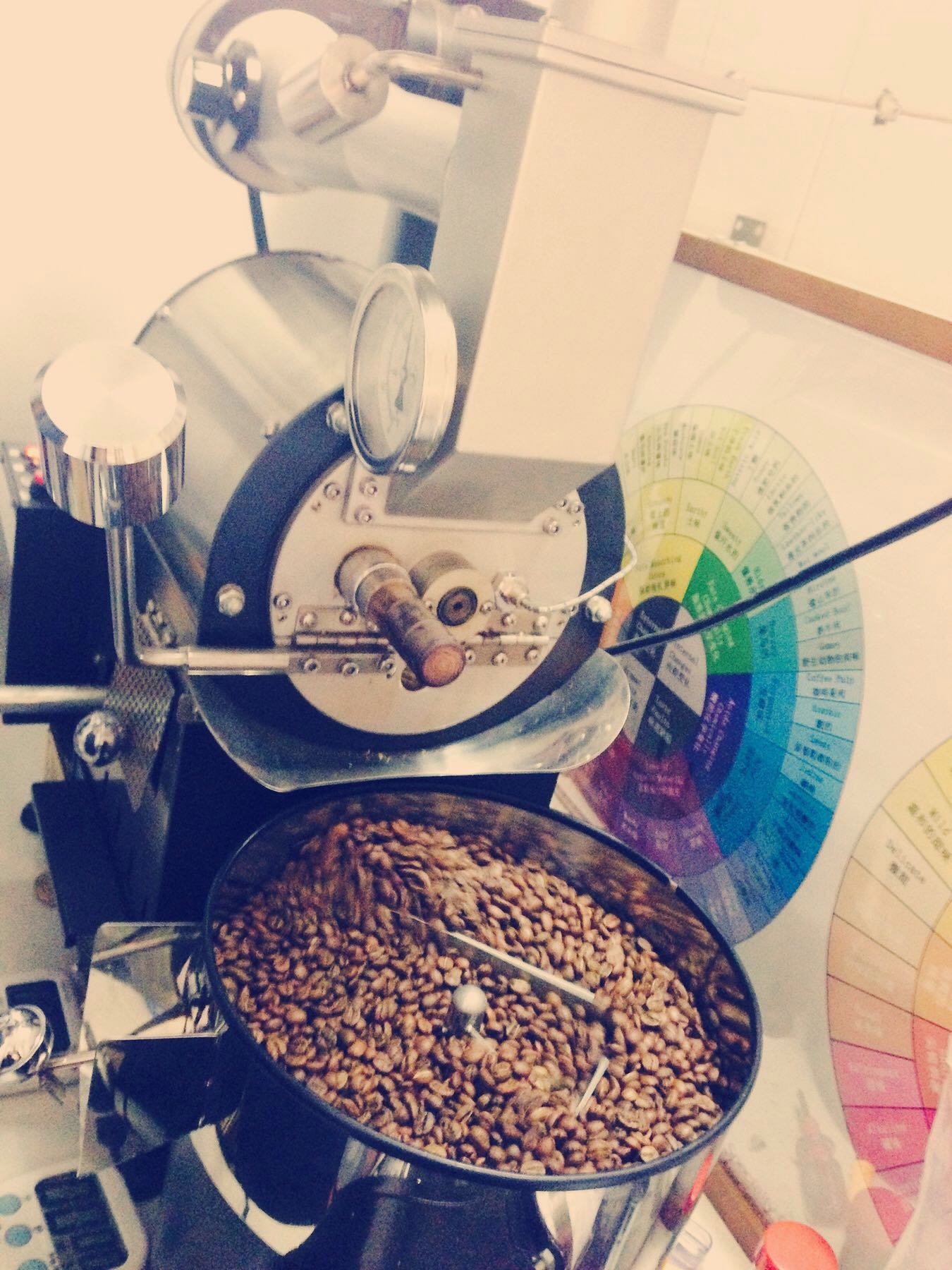
Key points of coffee roasting techniques: basic chemical reactions that take place during coffee roasting
Basic chemical reactions that occur during coffee roasting author: Carl Staub originates from the SCAA baking color classification system, developed by Agtron SCAA 1995 original text from: http://www.sweetmarias.com/roast.carlstaub.html translation: Grant, http://www.baristacn.com/forum/thread-1583-1-1.html in the roasting process
Basic chemical reactions that occur during coffee roasting
Many thermal and chemical reactions take place during baking: decarbonation, dehydration of quinic acid, fragmentation, isomerization, polymerization, and complex sugar reactions (caramelization). The main thermally reactive components are monosaccharides and sucrose, chlorogenic acid, displaced amino acids, and trigonelline amide. Both aravinone and calactose in polysaccharides are transferred, and basic sulfurization contains hydroxyamino acids.

Coffee roasting | what is roasting? What are the chemical reactions in baking?
Professional coffee knowledge exchange more coffee bean information Please follow the coffee workshop (Wechat official account cafe_style) Coffee sharing coffee roasting the so-called coffee bean roasting (coffee roasting) refers to the heating of raw beans to promote a series of physical and chemical reactions inside and outside of coffee beans. When coffee beans are roasted, the volume of coffee beans will expand, which is larger than that of raw beans.
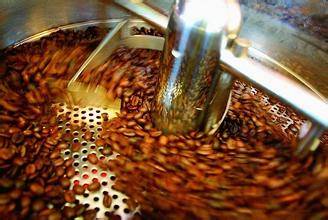
The basic chemical reaction that occurs during coffee roasting. The ingredients produced by the degree of coffee roasting.
Basic chemical reactions that occur during coffee roasting author: Carl Staub originates from the SCAA baking color classification system, developed by Agtron SCAA 1995 original text from: http://www.sweetmarias.com/roast.carlstaub.html translation: Grant, http://www.baristacn.com/forum/thread-1583-1-1.html in the roasting process
The basic chemical reaction of coffee roasting process
Many thermal and chemical reactions take place during baking: decarbonation, dehydration of quinic acid, subdivision, isomerization, polymerization, and complex sugar reactions (caramelization). The main components of the thermal reaction are monosaccharides and sucrose, chlorogenic acid, free amino acids, and fenugreek amide. Both aravinose and calactose in the polysaccharides are transferred, and the basic vulcanization contains hydroxylated amino acid.